Choosing a Ranheat biomass boiler or burner means that you can be sure the correct protocols have been followed for compliance and permitting.
Environmental compliance is often one of the first concerns raised when businesses consider installing an industrial biomass or wood waste boiler. This can seem complex, but it is vital to understand how compliance and permitting affect your business and your use of Ranheat products.
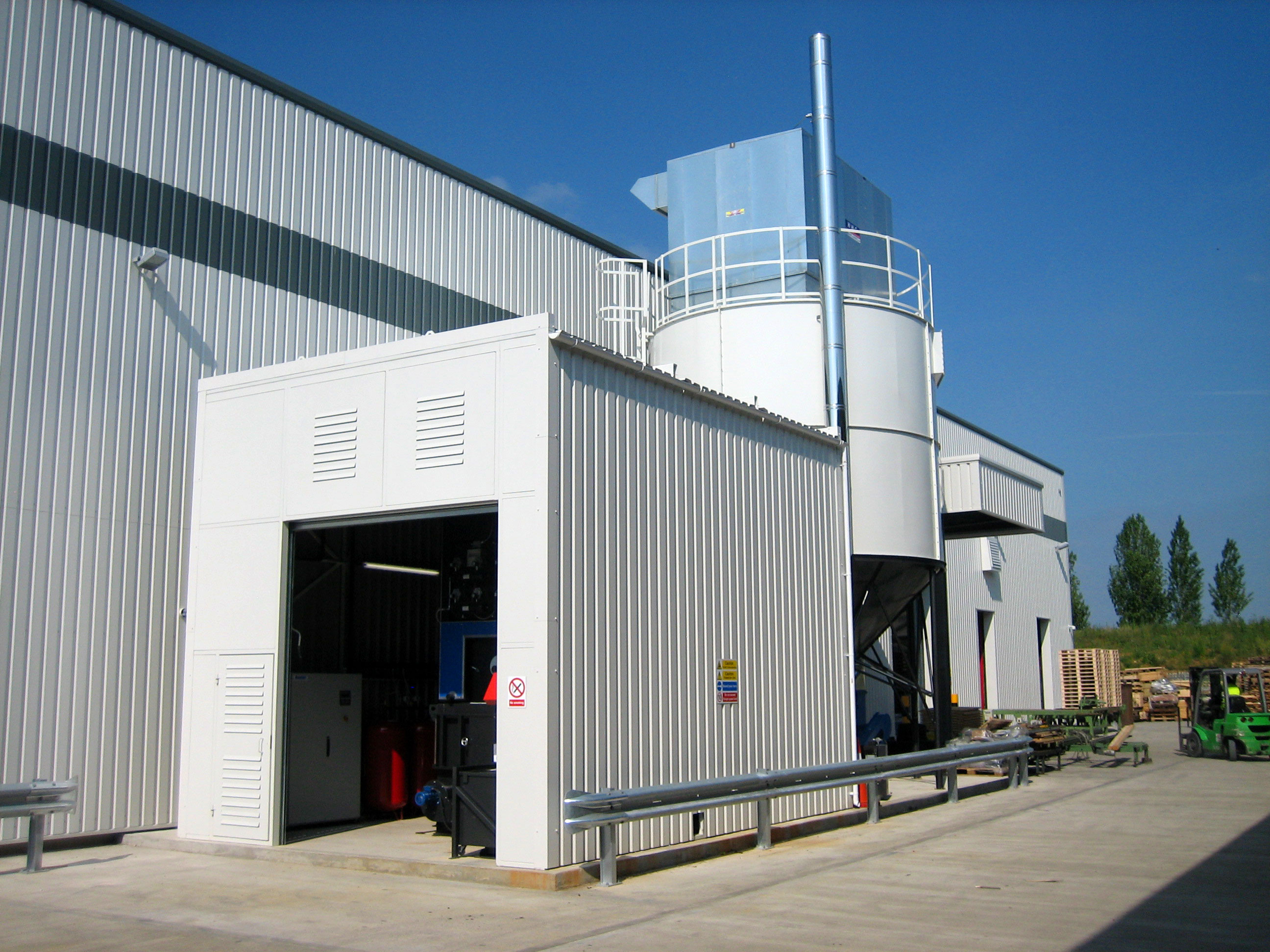
From the start, the most important thing is to choose the right system and fuels in order to meet compliance and permitting requirements. The emissions limits, how these are set and how they are measured and proven, are vital. The boiler system itself has to meet regulations, as does its installation and how it functions within your industrial setting.
When the right system is chosen and fuel is properly defined, permitting is not a barrier — it
is simply part of delivering a compliant, long-term solution.
Only when projects deliberately push into higher-risk or higher-ambition territory does
compliance become complex. For everything else, it is a normal part of the process — and
one that experienced manufacturers handle every day.
With the right design, the right boundaries, and the right support, compliance is not
something to fear. It is something to design for — and then get on with running the system.
In England, biomass and wood waste boilers are regulated under the Environmental
Permitting (England and Wales) Regulations 2016. You can read more about this here.
For most industrial wood waste boilers — including the majority of Ranheat installations —
permitting is handled by the Local Authority under what are known as Part B activities. You can read more about this here. It is vital for the fuel types and emissions to be defined and proven. For Part B wood waste combustion, the fuel is limited to clean wood waste and defined wood-based products, with explicit exclusions such as plastics, treated or contaminated timber, construction and demolition waste, and mixed or unknown materials. When fuel is clearly defined and stays within these boundaries, compliance remains in a well-understood, proportionate regulatory framework.
For most industrial wood waste boilers in England, compliance is demonstrated through
periodic extractive stack emissions testing. This typically involves an accredited testing contractor and measurements taken under representative operating conditions. Testing occurs at commissioning and then at agreed intervals afterwards.
Continuous emissions monitoring is not required by default for these systems. It is only
introduced where fuel scope widens significantly, plant size increases, or the installation
moves into a different regulatory category.
Compliance and permitting only becomes significantly more complex when a project intentionally moves beyond standard industrial wood waste combustion. This typically happens when plant size increases substantially, or the fuel scope is widened.
The project would then enter Industrial Emissions Directive (IED) territory. At that point, higher levels of scrutiny, monitoring, and reporting are appropriate. These projects are strategic by nature and are treated as such from the outset. Importantly, this complexity does not arise accidentally. Customers pursuing IED-class systems do so knowingly, because they want to achieve something beyond standard waste wood combustion.
The majority of Ranheat systems — including WA-series and other sub-megawatt
installations — fall squarely within the standard Part B wood waste combustion framework.
In practical terms, this means that the regulatory route is clear, the emissions limits are known, the documentation required is standard, and the process is routine for both Ranheat and the regulator.
For these systems, permitting is not a negotiation or an experiment. Ranheat provides the
necessary emissions data and technical information, it is assessed against established
guidance, and approval is issued.
In many cases, applications receive little challenge because the installations fit exactly the
category the guidance was written for.
Contact us with any queries regarding compliance and permitting, in England and elsewhere.
How can we help?
How much could you save with a Biomass Heating system?
A biomass heating system could be the most efficient way to dispose of your wood waste, whether that is half a ton of wood chippings or four tons of hardwood offcuts. There are also options for financial incentives for biomass heating and boiling systems. Contact us today for a free consultation and no-obligation quote.